Изучите увлекательный контент и разнообразные точки зрения на нашей странице «Обнаружение». Находите свежие идеи и участвуйте в содержательных беседах
🌐 Website Introduction – Jeyabo
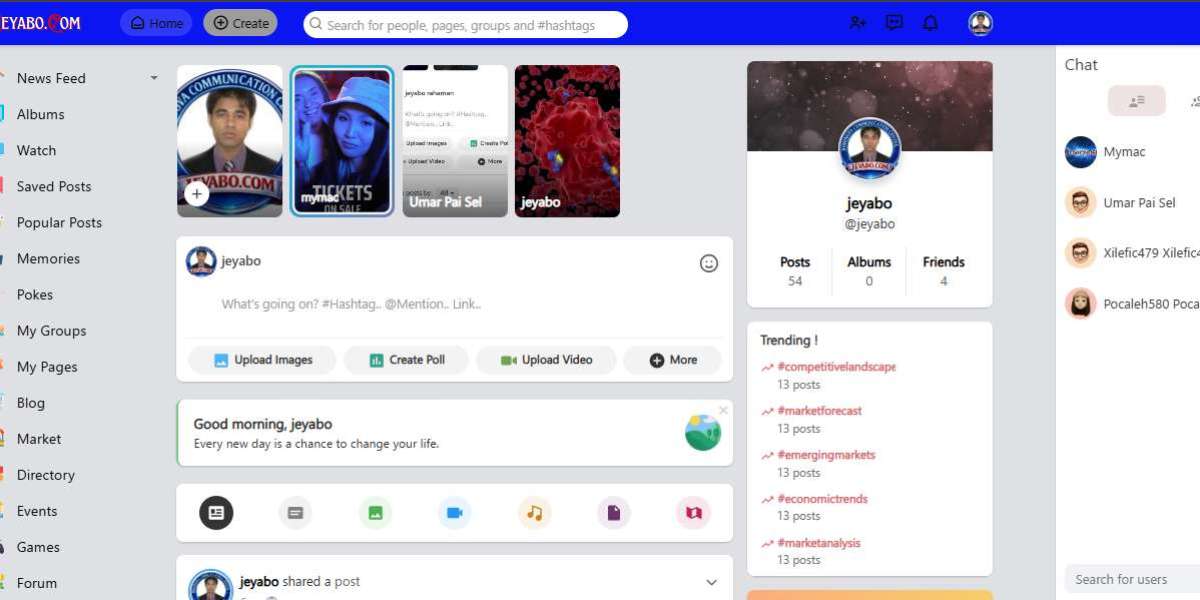
Jeyabo.com is a modern social networking and community-driven digital platform designed to connect people, share real-time news, and support meaningful communication across borders. The platform focuses on community voices, news awareness, and secure social interaction, especially for under-represented and global communities.
Jeyabo allows users to create accounts, post updates, upload photos and videos, chat in real time, and make audio/video calls—all within one integrated system. The website is built with scalability and performance in mind, using modern web technologies to deliver a fast and user-friendly experience.
🔧 Main Uses of Jeyabo.com
👥 1. Social Networking
User profiles and timelines
Post text, images, and videos
Like, comment, and share content
Follow friends and community pages
📰 2. News & Awareness Platform
Publish community news and updates
Highlight humanitarian, social, and regional issues
Share verified information with global reach
💬 3. Real-Time Communication
Private and group chat system
Secure messaging
Audio and video calling (WebRTC / Twilio / Agora support)
📹 4. Media Sharing
Upload long and short videos
Image galleries
Live or recorded content support
🌍 5. Community Building
Support community voices
Encourage dialogue and discussion
Connect people across different countries
🔐 6. Secure & Scalable Platform
User authentication and privacy controls
Moderation and reporting system
Built to scale with growing users
🎯 Who Can Use Jeyabo?
Community members
Content creators
News publishers
Social activists
General users who want a safe social platform
🧭 Vision
To create an open, inclusive, and powerful digital space where people can connect, communicate, and share truth responsibly.
Country Policy & Information Update: Rohingya Situation
Myanmar and Rohingya Refugees in Bangladesh — January 2026
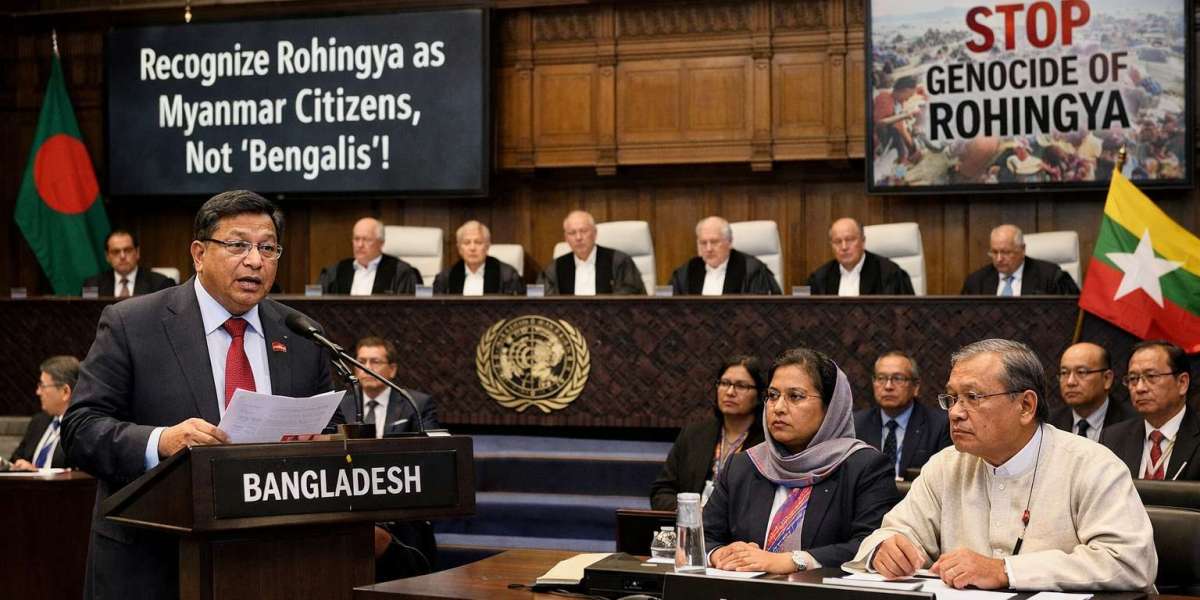
The January 2026 country policy and information update highlights the ongoing risks, displacement, and humanitarian challenges faced by the Rohingya population in Myanmar and neighboring Bangladesh. Despite sustained international attention, conditions for Rohingya civilians remain severe, with no meaningful improvement in safety, rights, or long-term solutions.
Situation Inside Myanmar (Burma)
Rohingya communities in Myanmar’s Rakhine State continue to face systematic discrimination, movement restrictions, and serious security threats. Reports indicate ongoing violence, forced recruitment, arbitrary detention, and limited access to healthcare, education, and livelihoods. Humanitarian access remains heavily restricted, leaving many civilians dependent on inadequate informal support networks.
The policy note confirms that Rohingya people are still denied citizenship and are exposed to a real risk of persecution, making voluntary and safe return unviable at present.
Rohingya Refugees in Bangladesh
Bangladesh continues to host over one million Rohingya refugees, primarily in the Cox’s Bazar camps. These camps remain overcrowded and under-resourced, with worsening conditions due to funding shortfalls. Food ration cuts, limited education opportunities, fire risks, and growing security concerns are placing extreme pressure on refugee families—particularly women, children, and the elderly.
The report emphasizes that Rohingya refugees in Bangladesh remain dependent on humanitarian aid, with no durable solutions currently available.
Protection and International Response
International agencies and human rights organizations continue to recognize Rohingya people as a group in need of international protection. The January 2026 update reiterates that forced returns are unsafe and that long-term solutions must include accountability for past crimes, restoration of rights, and guarantees of safety and dignity.
Key Takeaway
The January 2026 policy assessment makes clear that the Rohingya crisis is far from resolved. Conditions in Myanmar remain dangerous, and life in refugee camps continues to deteriorate. Without sustained international engagement, funding, and political pressure, Rohingya communities will remain trapped between insecurity, displacement, and uncertainty.