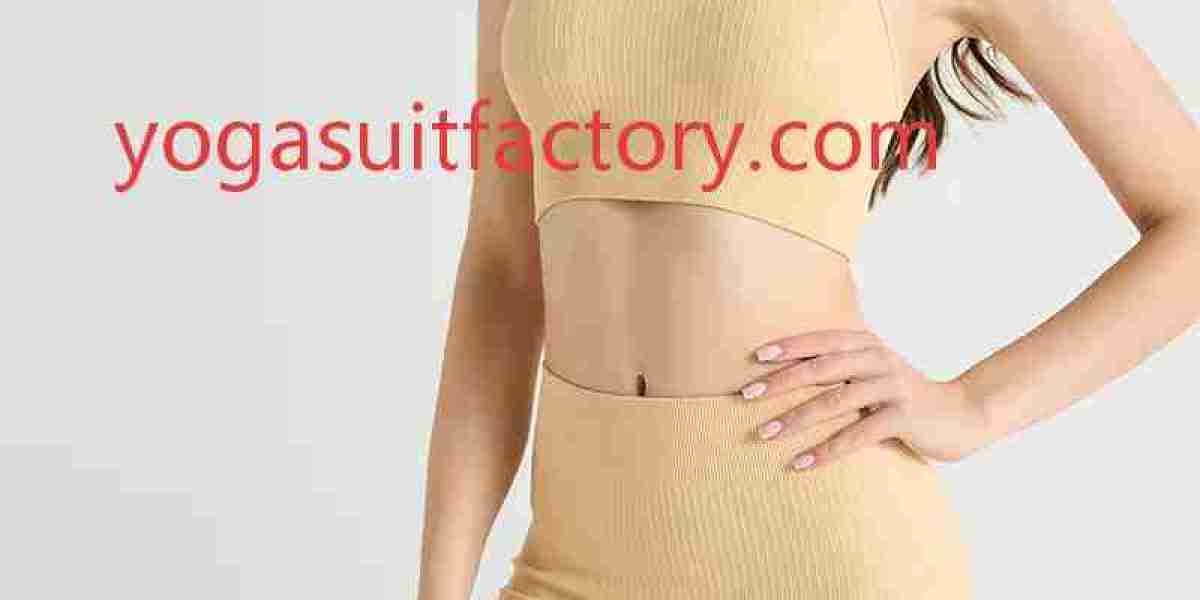

A conscious athlete checks fabric tags, searching for sustainable options without compromising performance.Eco-friendly Seamless Activewear constructed from recycled polyester promises reduced environmental impact, but how does this material compare to virgin polyester in breathability and moisture transport? YongXing manufactures both variants, yet can recycled yarn truly match the airflow and wicking properties of its virgin counterpart?
The journey of recycled polyester begins with post‑consumer plastic bottles or industrial polyester waste. These materials undergo cleaning, shredding, melting, and re‑extrusion into new filament yarns. This closed‑loop process consumes approximately fifty percent less energy than virgin polyester production and diverts plastic from landfills. However, the critical question for activewear involves fiber surface chemistry. Virgin polyester filaments possess a uniform, smooth surface created during controlled extrusion from raw petrochemicals. Recycled polyester undergoes an additional melting step that can alter molecular orientation at the fiber surface. Some athletes worry this change reduces breathability or slows sweat evaporation.
Scientific comparisons of recycled versus virgin polyester reveal surprisingly similar performance. Both materials share the same base polymer – polyethylene terephthalate (PET). The recycling process does not modify the chemical formula; it simply remelts existing PET into new forms. Tests measuring moisture wicking using standard AATCC 197 or ISO 17697 protocols show identical vertical liquid transport rates. A drop of sweat placed on recycled polyester fabric spreads at the same speed as on virgin material because capillary action depends on fiber diameter and cross‑sectional shape, not the number of thermal cycles the polymer experienced. Eco-friendly Seamless Activewear from YongXing uses recycled yarns engineered with trilobal or cross‑shaped cross‑sections, creating the same micro‑channels for sweat transport found in virgin fiber garments.
Breathability, quantified as air permeability in cubic centimeters per second per square centimeter, also shows negligible differences between recycled and virgin polyester. A study comparing identical knit structures made from each material found air flow within five percent of each other – a variance smaller than batch‑to‑batch differences in virgin production. This parity occurs because air passes through the spaces between yarns and fibers, not through the solid polymer itself. As long as recycled yarns maintain consistent diameter and crimp, the fabric's macroscopic holes remain unchanged. YongXing's production line tests every batch of recycled yarn for diameter uniformity before knitting, ensuring that Eco-friendly Seamless Activewear breathes as freely as any virgin‑based garment.
Moisture management involves three stages: absorption, transport, and evaporation. Recycled polyester performs identically to virgin material in absorption because PET's hydrophobic nature remains unchanged. Neither variant absorbs significant water – typically less than one percent of fiber weight. Transport depends on fabric construction and yarn geometry, not polymer origin. A double‑knit structure with engineered moisture channels moves sweat equally well regardless of whether the yarn came from bottles or petrochemicals. Evaporation rates correlate with fabric thickness and surface area, both determined by knitting parameters. When manufacturers control these variables, recycled garments dry as quickly as virgin equivalents.
The perception that recycled polyester feels different against skin stems from early‑generation products that used poorly refined flakes. Those fabrics contained residual impurities, short fibers, or irregular diameters, creating rough textures. Modern recycling technology produces PET chips indistinguishable from virgin material. Advanced filtration and multiple melt stages remove contaminants, yielding clear, consistent polymer. Spun into fine denier filaments (twenty to seventy denier per filament), recycled yarn feels soft and smooth. Trained panelists in blind touch tests cannot distinguish high‑quality recycled polyester garments from virgin ones. YongXing sources only post‑consumer recyclate processed to virgin‑equivalent purity standards, ensuring that Eco-friendly Seamless Activewear provides the same skin feel as conventional activewear.
Durability of moisture management features across multiple washes matters more than initial performance. Recycled polyester shows similar resistance to fabric softener buildup and detergent residue as virgin material. Both degrade slowly over time, with wicking efficiency dropping approximately ten to fifteen percent after one hundred home launderings. However, recycled fibers sometimes demonstrate slightly higher resistance to chlorine damage because the remelting process can reduce amorphous regions susceptible to chemical attack. This advantage means recycled activewear may maintain its sweat‑wicking properties longer than virgin equivalents in chlorinated pool environments or with aggressive detergents.
Color fastness and dye uptake represent another performance category where recycled polyester excels. The additional melting step creates more amorphous regions within the fiber structure – areas where dye molecules can penetrate. Recycled polyester often accepts disperse dyes at lower temperatures or with shorter cycle times than virgin material. This property does not affect breathability or wicking, but it enables richer, longer‑lasting colors without additional chemical treatments. A recycled black garment retains its deep shade through more wash cycles than a virgin black piece, reducing the need for replacement and further lowering environmental impact.
Environmental trade‑offs exist despite recycled polyester's strong performance. Each wash cycle releases microplastic fibers regardless of polymer origin. Recycled polyester sheds at rates comparable to virgin material – approximately one hundred to two hundred milligrams per kilogram of fabric per wash. Some studies suggest slightly lower shedding from recycled fibers because the remelting process eliminates weak points, but differences fall within measurement error. Using a washing machine filter or guppy bag captures these fibers regardless of whether the garment uses recycled or virgin yarn. The true environmental advantage of recycled polyester lies in avoided virgin oil extraction and reduced manufacturing energy, not in wash‑related differences.
For the eco‑conscious athlete unwilling to sacrifice performance, https://www.yogasuitfactory.com/product/sports-suits/ offers Eco-friendly Seamless Activewear made from recycled polyester that matches virgin material's breathability and wicking. Each garment undergoes air permeability and moisture transport testing, confirming that recycled yarn performs identically to conventional fibers. The combination of advanced recycling technology, consistent yarn engineering, and thoughtful knit construction produces activewear that breathes freely during a sprint and dries quickly after a sweat session. When you choose recycled over virgin, does the fabric on your skin feel any different – or does the only distinction lie in the smaller footprint left behind?