
? Can 2026 Bring Justice and Change for the Rohingya?
By jeyabo.com — Updated January 17, 2026
The Rohingya crisis — one of the most protracted and tragic humanitarian emergencies of the 21st century — entered a pivotal phase in early 2026. After years of struggle, displacement, and international advocacy, progress at the global legal level is finally capturing worldwide attention. This year may yet be a turning point for millions whose lives were upended by violence and statelessness.
? A Landmark Legal Battle at the International Court of Justice
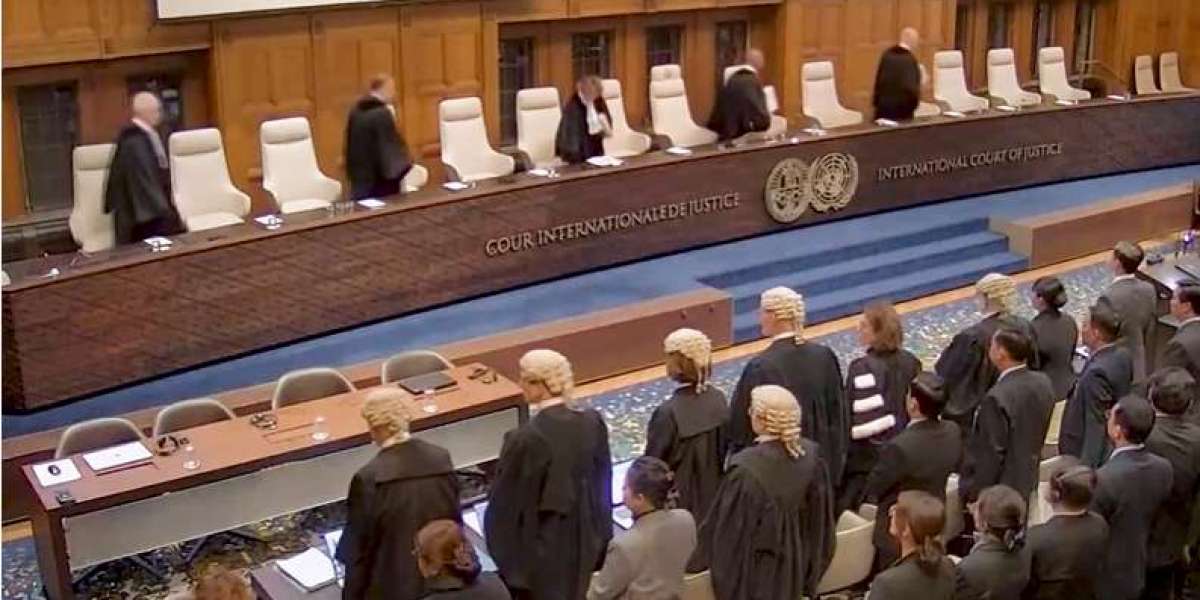
On January 12, 2026, hearings began at the International Court of Justice (ICJ) in The Hague on the genocide case brought by The Gambia against Myanmar. The case — originally filed in 2019 — alleges that Myanmar’s military committed acts that constitute genocide against the Rohingya, particularly during the brutal 2017 “clearance operations” which forced at least 730,000 Rohingya to flee to Bangladesh.
This case is historic for several reasons:
It’s among the first genocide cases in over a decade to reach oral hearings at the ICJ.
For the first time, Rohingya survivors’ testimonies have been included in the proceedings, although many are in closed sessions for safety.
The ruling — expected later in 2026 — could set global legal precedent on how genocide is defined and enforced.
This level of legal scrutiny marks a rare instance where international law may finally meet the lived experience of millions of Rohingya who have long felt overlooked by the world.
⚖️ Myanmar’s Defense and Global Response
Myanmar’s government, now under military control after the 2021 coup, denies the allegations, calling The Gambia’s claims “unsubstantiated” and defending its actions as counter-terrorism responses.
The defense’s strategy reflects a wider challenge in international justice: proving intent when accused states dispute both the facts and motives around widespread violence. If the ICJ finds that genocidal intent was present, the court may order measures for reparations or corrective action, although enforcement remains politically complex.
? Why This Matters
The Rohingya crisis isn’t just about displaced people in camps; it is fundamentally about accountability and recognition. For nearly a decade, the plight of Rohingya refugees — especially those in camps like Cox’s Bazar in Bangladesh — has been marked by:
Statelessness and discrimination
Limited access to basic services and legal protections
Continuing violence in parts of Rakhine State that keep hope of safe return distant.
Legal experts say that even if Myanmar refuses to comply with ICJ rulings, a judgement in favor of The Gambia could still strengthen long-term global norms on protecting minorities and holding states accountable in international courts.
? Looking Ahead: Hope or Hard Reality?
There is cause for cautious optimism. Many Rohingya communities and supporters view the ICJ case as a moral victory — a long-overdue acknowledgement of their suffering. However, optimism is tempered by significant challenges:
On-the-ground conditions for Rohingya refugees remain precarious.
Political will in Myanmar to change policies or allow safe returns is uncertain.
International enforcement mechanisms often lag behind legal rulings.
Yet the world is paying attention — and this matters.